ทำความเข้าใจกับ LSZHCompoundsForTransportationCables: ความปลอดภัย การเลือก และการใช้งาน
บ้าน / ข่าว / ข่าวอุตสาหกรรม / ทำความเข้าใจกับ LSZHCompoundsForTransportationCables: ความปลอดภัย การเลือก และการใช้งาน


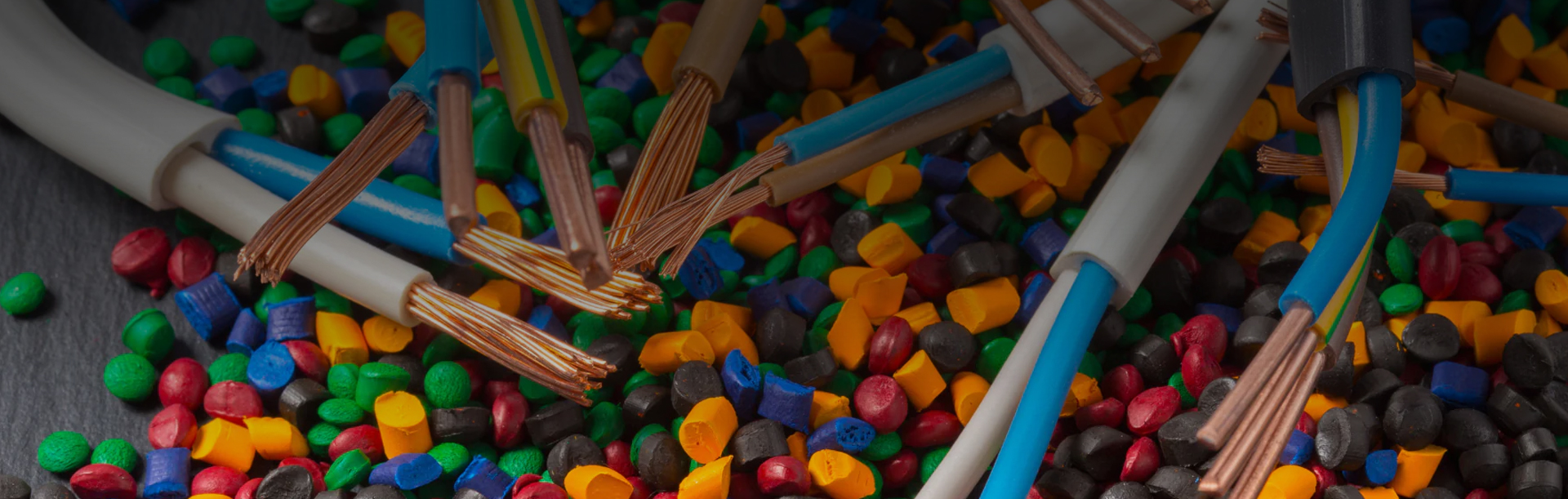
In today's high‑demand transit infrastructure and mass‑mobility systems, cable safety is a non‑negotiable concern. This article explores how LSZH Compounds For Transportation Cables provide superior performance, how to select the right formulation, and how our company, Hangzhou Meilin New Material Technology Co., Ltd. and Hangzhou Meilin Special Material Co., Ltd., is positioned to meet this demand.
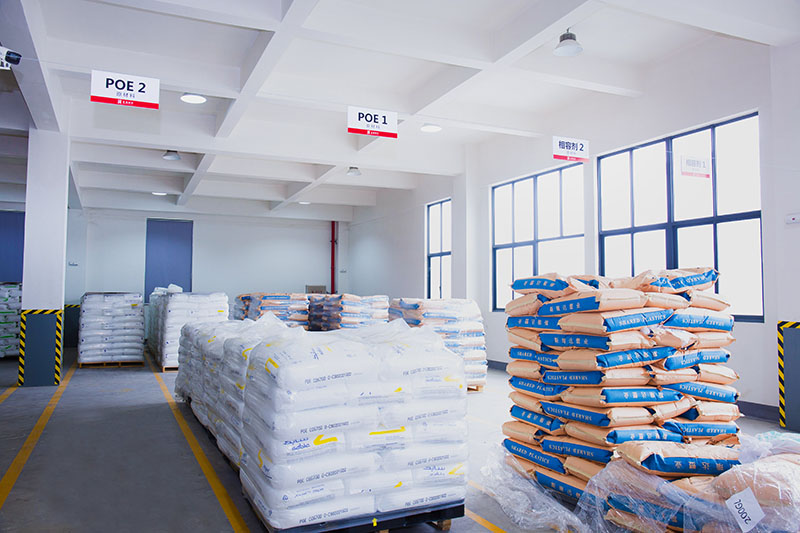
Founded in July 1994 (formerly Zhejiang Linan Hongyan Plastic Factory), Hangzhou Meilin New Material Technology Co., Ltd., along with Hangzhou Meilin Special Material Co., Ltd. (established August 2024), operates three production plants located at No. 619 Linglongshan Road & No. 259 Xingyu Street & No. 6 Guifangqiao, Lin'an District, Hangzhou, Zhejiang, China. With a total registered capital of RMB 85 million, covering more than 40,000 m² site area and 45,000 m² built area, the company houses 31 advanced automated production lines. With over 210 employees, including 5 senior engineers and more than 30 science & technology management personnel (accounting for >30% of workforce), the company achieved output value exceeding RMB 700 million in 2024. Our product range includes LSZH, PVC, FR‑PE, PE, XLPE, SEMICON and SOLAR CABLE, serving domestic and overseas markets.
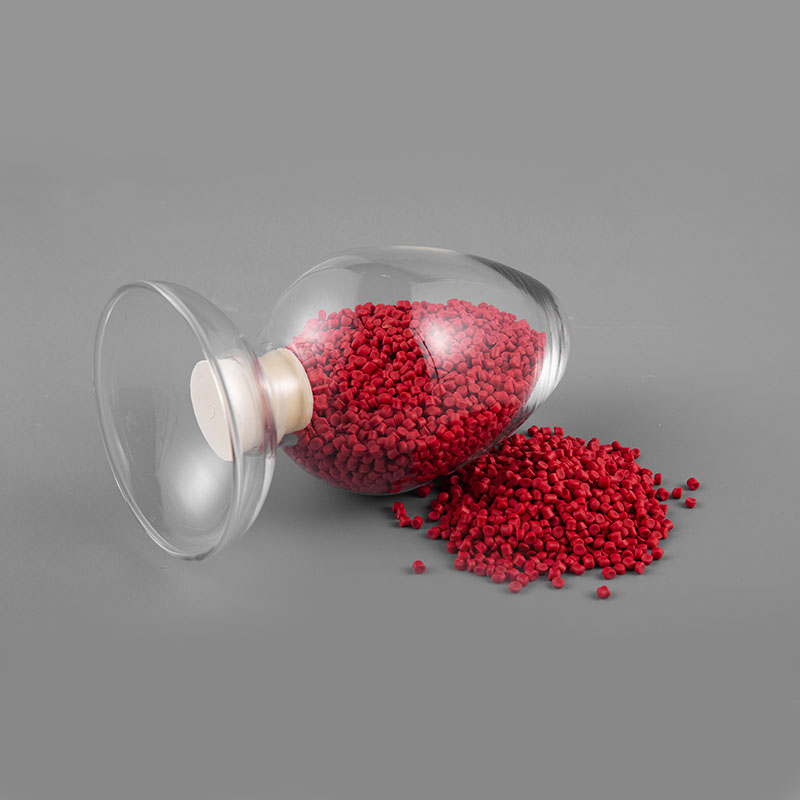
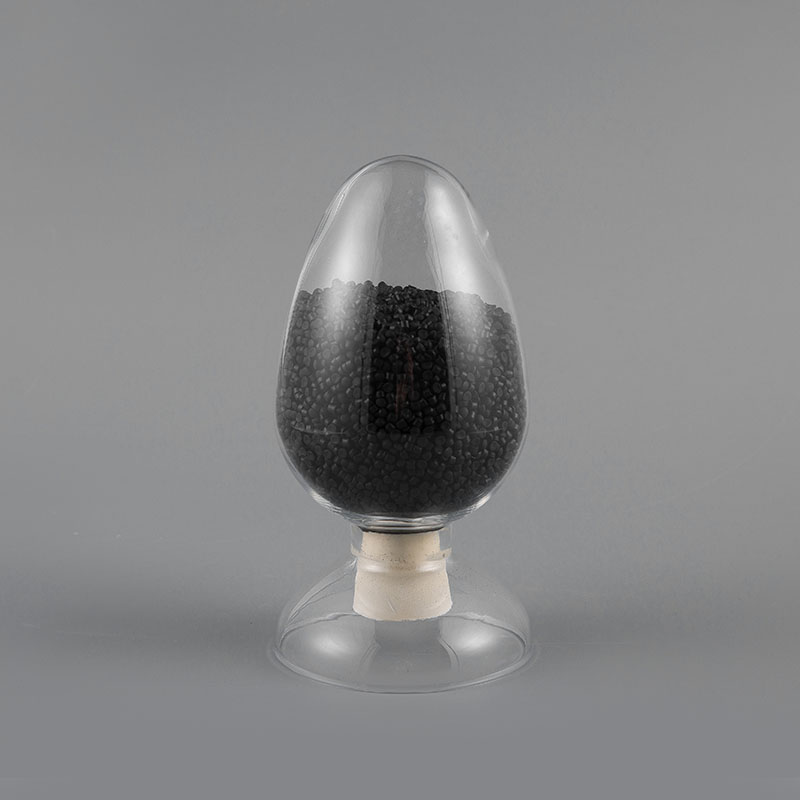
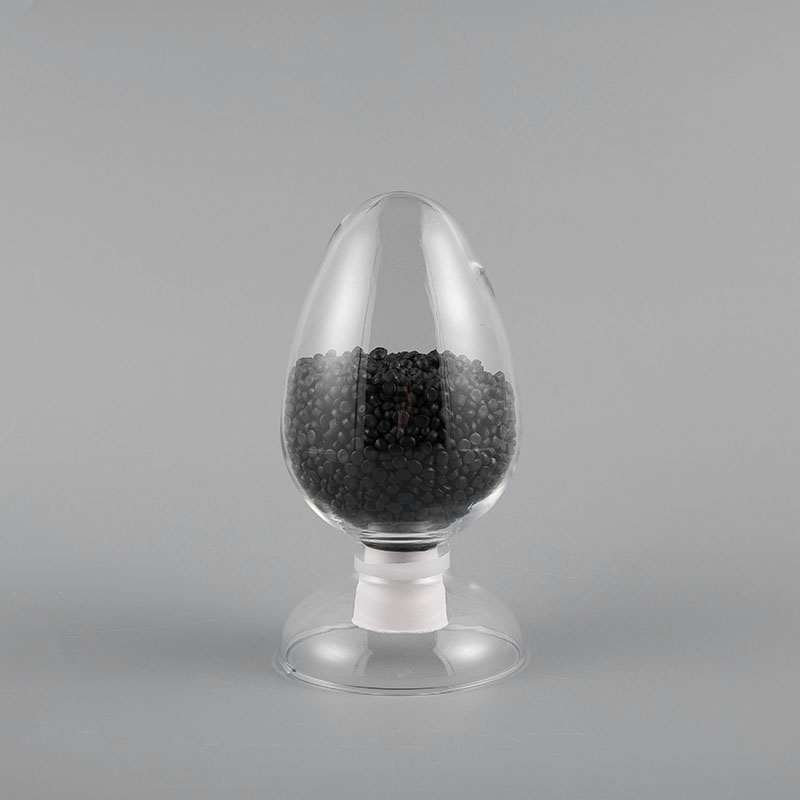
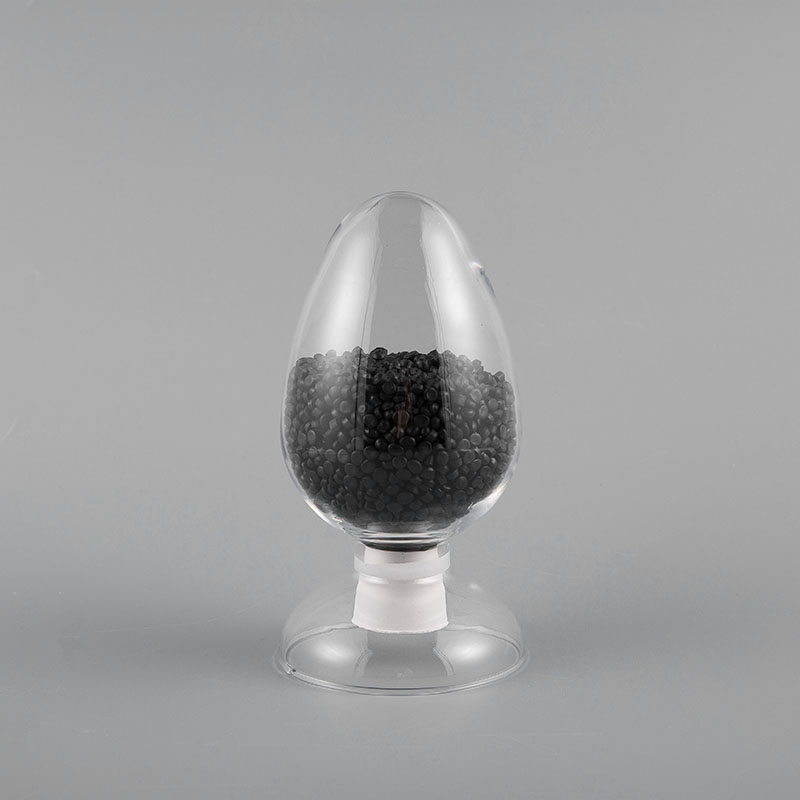
ML-FJ125QA 125℃ irradiated halogen- free flame-retardant insulation material for incar cables
The term LSZH Compounds For Transportation Cables refers to specialised jacketing or insulation compounds that are low smoke (i.e., minimal smoke when burnt) and zero halogen (i.e., no halogen elements like chlorine, bromine) in their formulation.
Typically based on halogen‑free polyolefins (e.g., EVA, PE) filled with metal hydroxides (e.g., aluminium hydroxide) the compounds suppress flame, reduce smoke and avoid halogen‑acid gas release.
In rail systems, especially underground or enclosed carriages, installing cables with minimal smoke and zero halogen emissions is critical. For example, visibility loss and toxic gas accumulation are major hazards in tunnels.
Mass transit systems (metros, airports, transit hubs) require reliable cable materials that will not compromise occupant safety or equipment integrity — making LSZH compounds an increasingly standard choice.
In modern vehicles (especially EVs and autonomous vehicles) the wiring harness is densely packed and sometimes located in enclosed compartments. Selecting an LSZH jacketing compound helps reduce risk of smoke/toxic gas release during fire scenarios.
When comparing materials, note: traditional PVC or FR‑PVC compounds may offer good general performance, but when it comes to fire safety in enclosed transport environments, an LSZH formulation often offers major advantages. Below is a comparison:
| Property | LSZH Compound | Traditional PVC/FR‑PVC |
| Smoke density | Very low | Very high |
| Toxic/corrosive gas release | Minimal/none | High (e.g., HCl) |
| Flame retardancy in enclosed spaces | Excellent for confined spaces | Good, but with more risk of secondary damage |
| Mechanical/flexibility trade‑off | Improved, but sometimes higher cost or filler content [oaicite:16] | Well established, lower cost |
As introduced, Hangzhou Meilin New Material Technology Co., Ltd. and Hangzhou Meilin Special Material Co., Ltd. combine experience since 1994 with modern production bases (three plants) and 31 advanced automated lines. This manufacturing strength enables consistent, high‑quality output of LSZH compounds tailored for transportation cable applications.
With registered capital RMB 85 million, covering >40,000 m² area and output value above RMB 700 million in 2024, the companies are well positioned to serve large‑scale cable projects with demanding safety and environmental requirements.
"LSZH" stands for "Low Smoke Zero Halogen". In transportation cable environments, using LSZH compounds ensures minimal smoke generation and no halogen‑acid gas release during a fire, which significantly improves safety for both people and equipment.
Standard PVC compounds can emit dense black smoke and corrosive gases (e.g., HCl) when burning. In contrast, a halogen‑free flame retardant compound (i.e., LSZH) produces very low smoke and essentially no halogen‑acid gases, reducing fire risk and equipment damage.
Key criteria include: temperature range, chemical/oil resistance, mechanical flexibility, smoke density, halogen‑free gas release, processability and cost. In other words, for automotive use you must focus on "LSZH compound selection criteria for automotive wiring harnesses".
Yes, while the polyolefin LSZH sheath compound offers superior fire/smoke/halogen performance, there may be higher cost, more fillers (impacting flexibility), or additional processing considerations. The key is balancing fire safety with mechanical/process requirements.
Expect demands for improved sustainability (recyclable, bio‑based materials), higher temperature rating, more chemical resistance, better processability, and stricter regulations in mass transit systems that will drive innovation in zero halogen flame retardant cable compounds.
In summary, for the transportation sector — whether in rail transit, tunnel systems, mass transit hubs or automotive wiring — choosing the right LSZH Compounds For Transportation Cables can significantly improve safety, reduce risk and comply with evolving regulation. With a trusted partner such as Hangzhou Meilin New Material Technology Co., Ltd. and Hangzhou Meilin Special Material Co., Ltd., manufacturers can work with a strong compound supplier that combines deep experience, broad product portfolio and modern production capability.

เลขที่ 259 ถนน Xingyu เขต Lin'an เมืองหางโจว มณฑลเจ้อเจียง

+86-0571-63763088


ติดต่อเรา โครงการสร้างสรรค์? มาพูดคุยอย่างมีประสิทธิผลกันเถอะ
ลิขสิทธิ์ © หางโจว Meilin ใหม่วัสดุเทคโนโลยี Co., Ltd. สงวนลิขสิทธิ์. ผู้ผลิตวัสดุสายไฟและสายเคเบิลแบบกำหนดเอง
